Custom Apparel Samples: What to Confirm Before Bulk Production
A sample is not simply a visual preview of a custom garment. It is the practical point where a product brief becomes something buyers and production teams can review in the same way. A clear sample route helps reduce assumptions before a bulk order is approved.
What should a sample answer?
For a bulk apparel project, a useful sample should make the following areas reviewable:
- Fit and measurement: silhouette, length, key points of measure, size range and intended wearer.
- Material and construction: fabric composition, weight or GSM direction, hand feel, stretch, trims, seams and finishing.
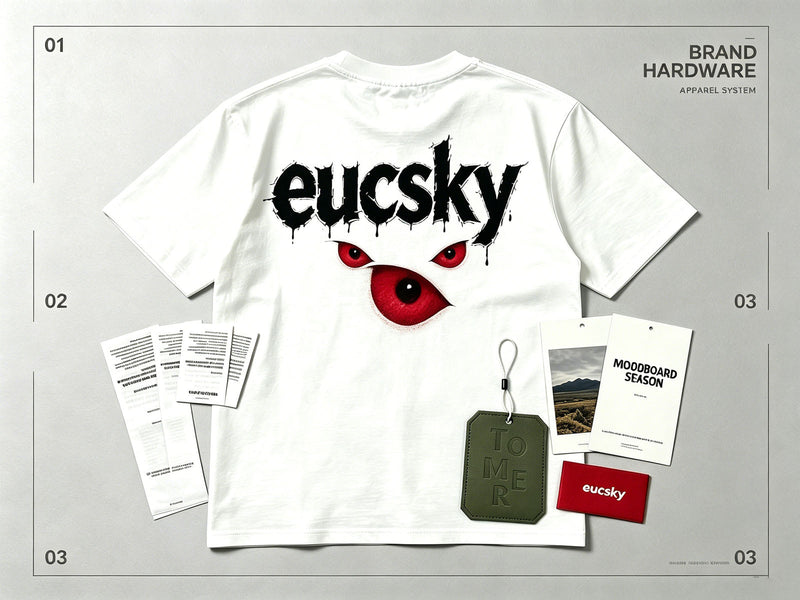
- Brand finishing: artwork, decoration method, placement, neck labels, care labels, hang tags, bags and packing details.
Not every point needs to be final at the first sample stage. The important part is knowing what the current version is intended to confirm and which decisions remain open.
Start with the clearest brief available
A complete tech pack is helpful but not required for an initial sample review. The following information gives the project a stronger starting point:
- Product category, intended use and clear reference images
- Estimated quantity by style, color and size
- Measurement chart, target fit or the fit changes you need
- Fabric composition, structure, target GSM, hand feel or performance direction
- Color references and any approved material direction
- Artwork files, print or embroidery size, placement and color references
- Labels, tags, individual packing and carton requirements
When details are still developing, mark them clearly. This is better than leaving a production-critical point implied by a photo alone.
Define the purpose of each sample
Different sample rounds can serve different purposes. One version may focus on fit and construction; another may check material, decoration or brand finishing. Before a sample is made or reviewed, record what it is meant to answer. This keeps feedback focused and makes the next approval decision easier to understand.
Give feedback that can be acted on
Useful sample feedback identifies the exact point, the required change and the evidence behind it. Annotated photos, a measurement table, comments on a reference image and a numbered feedback list are all clearer than general comments such as “make it better” or “change the fit.”
- State the sample version and review date.
- Identify the garment area, such as sleeve opening, collar, pocket or hem.
- Describe the required change and, where available, provide a measurement or reference.
- Separate mandatory changes from optional development ideas.
- Confirm whether the point affects material, decoration, labels or packing.
What to confirm before bulk approval
Before bulk production is released, buyers should check that the approval basis reflects the agreed product scope. The exact checklist depends on the garment, but commonly includes:
- Approved sample version, fit and measurement direction
- Fabric, color and trim direction
- Construction, workmanship and finishing points
- Artwork method, placement, size and color references
- Labels, hang tags, bags, folding, packing ratios and carton marks
- Quantity breakdown, destination, commercial documentation and delivery plan
If a required point changes after approval, it should be documented and reviewed against the updated order basis rather than treated as an informal message.
Common issues that create avoidable rework
- Using only a mood image without clarifying the construction or measurements
- Combining many unrelated changes into one unprioritized comment
- Assuming a digital color reference is a final physical material approval
- Approving a sample without identifying the exact version or remaining open points
- Leaving labels, packing or carton requirements until the end of the project
Use the sample as a shared production reference
Once the relevant details are approved, the sample and supporting documentation create a shared reference for the production review. This does not replace the need for project-specific checks, but it gives material, construction, branding, quality review and packing discussions a clearer starting point.
Preparing a new apparel program? Send the product information available now through the project review form, or contact EUCSKY for an initial capability discussion. For MOQ planning, see what really determines custom apparel MOQ.