Custom Apparel MOQ: What Really Determines Your Minimum Order Quantity?
For custom apparel, a useful MOQ conversation starts with the product brief—not with a single number on a supplier profile. The minimum order quantity for one style can change when the fabric, color count, construction, decoration, labels, packaging or delivery plan changes.
This guide explains why MOQ varies, what a buyer can prepare before requesting a quotation, and how to compare supplier responses more clearly.
Why a Custom Apparel MOQ Is Not a Fixed Number
MOQ is the point at which the materials, production setup and finishing requirements can be organized in a practical way for the specific product. It is affected by the work required before sewing begins as well as the production work itself.
A basic garment using available materials and simple packing can follow a different route from a multi-color private-label collection with custom fabric, embroidery, labels and retail-ready packaging. Both may be described as “custom apparel,” but they do not create the same production requirements.
The Main Factors That Shape MOQ
1. Fabric and material availability
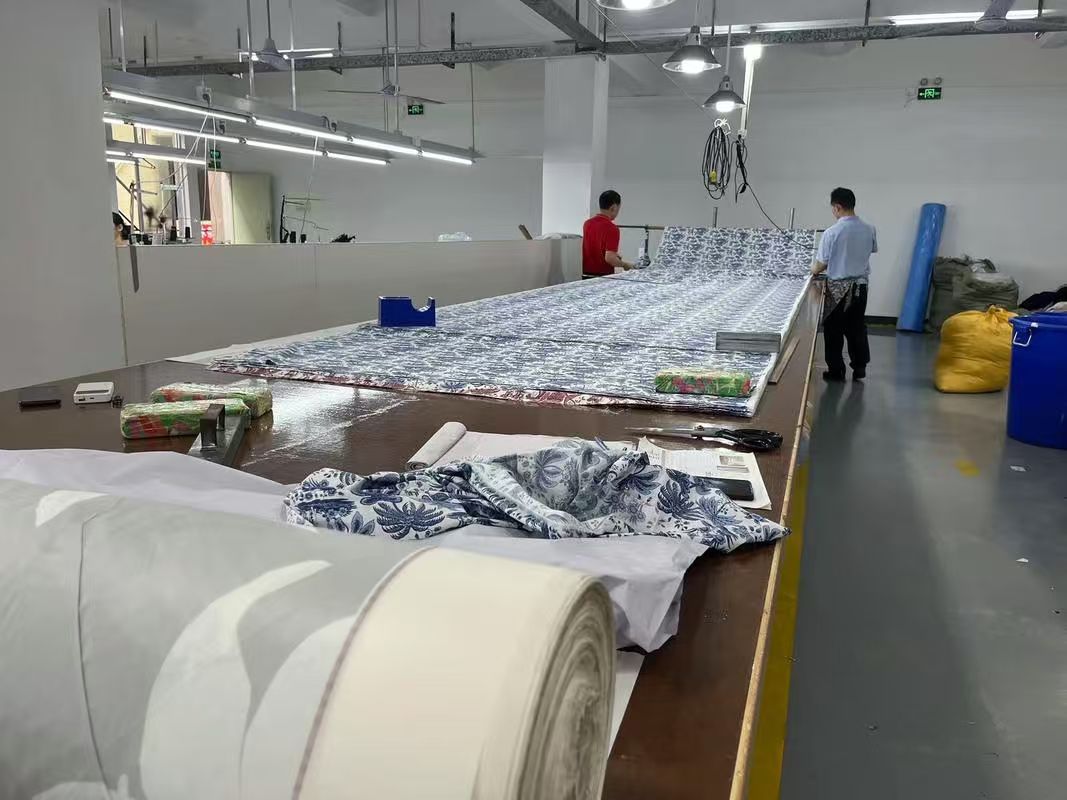
Fabric is often the biggest driver. A buyer may choose from an available material direction or require a project-specific composition, knit or woven structure, color, weight, finishing or performance feature. Minimums can change depending on what is available and what must be prepared specifically for the project.
Share the composition, target GSM, hand feel, stretch, opacity, finish and intended use when you have them. If these points are still open, state that clearly so the supplier can explain the available routes.
2. Number of styles, colors and sizes
The total order quantity is only part of the picture. A quantity divided across many styles, colors and size assortments can create a different planning challenge from the same total concentrated in one style and color.
For an initial review, list the expected quantity by style and color. A preliminary size breakdown is also helpful for programs that require multiple size ranges.
3. Garment construction and trims
Pockets, linings, collars, zippers, drawcords, specialty seams, wash effects, padding and hardware all influence the material and construction route. Custom trims may also have their own minimums or lead-time considerations.
Reference images are useful, but note the details that must be matched and the details that can be adapted. This helps a factory identify which parts of a design drive feasibility.
4. Printing, embroidery and decoration
Decoration is not a single production step. Artwork complexity, color count, placement, size, garment material and the selected method all affect setup and review requirements. Screen printing, embroidery, transfers and patches each need to be assessed against the project rather than selected only by appearance.
Supply editable artwork when available and include placement references. If you only have a visual mock-up, identify the intended size and position as closely as possible.
5. Labels, packaging and retail preparation
Private-label elements such as neck labels, woven labels, care labels, hang tags, stickers, barcode labels, individual bags and carton marks should be part of the MOQ conversation. They may be produced or organized separately from the garment and need to align with the order plan.
6. Sampling and approval path
MOQ is not the same as sample quantity. Sampling is used to review fit, materials, construction, decoration and finishing before bulk production. The purpose of the sample, the version being reviewed and the required approval points should be clear before it is made.
How to Prepare a Better MOQ Request
A supplier can give a more useful answer when the request separates what is confirmed from what is still under development. Include the following where available:
- Product category, style references or a tech pack
- Estimated quantity by style, color and size range
- Fabric composition, target GSM, hand feel or performance direction
- Construction details and any required trims
- Artwork, decoration method and placement references
- Labels, hang tags, packaging and carton requirements
- Delivery country, target date and any requested trade terms
A complete tech pack is helpful, but it is not required for an initial feasibility review. Clear reference images, a measurement chart and a list of open questions are a practical starting point.
How to Compare MOQ Responses From Different Suppliers
When two suppliers give different MOQ answers, compare the basis of each answer before treating one number as better. Ask whether the response assumes stock or project-specific materials, how many colors and sizes it includes, whether decoration and private-label details are included, and whether sampling is part of the route.
A lower MOQ may be appropriate for one product direction and impractical for another. The goal is to understand the assumptions behind the quotation so that material, quality, branding and delivery requirements stay aligned.
Next Step: Send the Brief You Have
EUCSKY reviews MOQ and production feasibility against the details of the actual apparel project. Use the bulk apparel quote form to send the product information available now, or contact us for an initial capability discussion.
For related sourcing guidance, read How to Choose an Apparel Manufacturer in China: A Buyer’s Checklist.